Refractory Sleeves About
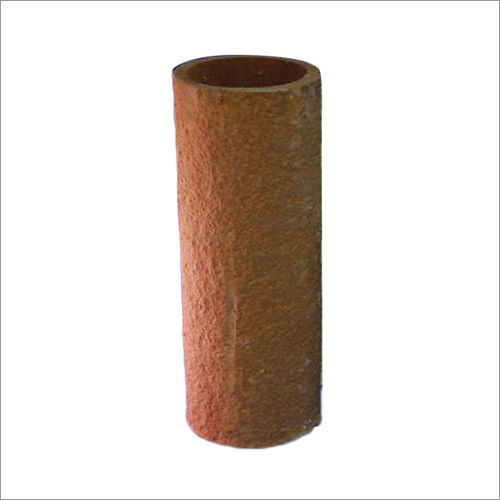
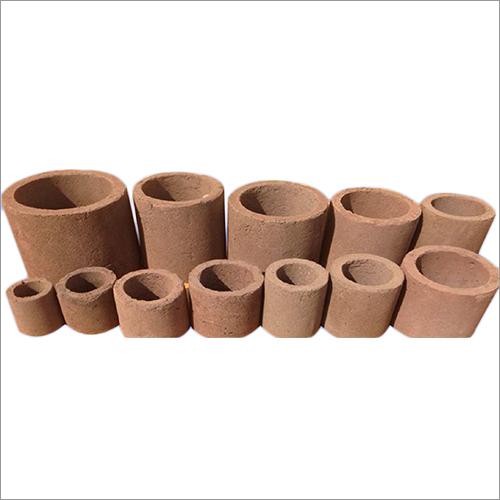
Our trustworthy company is engrossed in offering superior quality Refractory Sleeves, which are made up of high consistency, refractory, low density, high performance, insulating or exothermic/insulating feeding materials. They are lightweight riser sleeves ideal to be utilized to efficiently feed castings. They have great resistance against dilation and offer insulating characteristics with low fume and smoke. These sleeves help in increasing casting yields by allowing smaller sizes as compared to conventional sand risers, as well as decreases cleaning costs. Over and above, Refractory Sleeves are available in a variety of colors, sizes, shapes and finishes at the best market prices.
Exceptional Thermal PerformanceDesigned to withstand temperatures up to 1700C, our refractory sleeves maintain structural stability under extreme thermal and mechanical conditions. Their low thermal expansion and high compressive strength make them an ideal choice for thermocouple protection in metal casting applications.
Precision CustomizationWe understand that every application has unique requirements. That's why we offer sleeves in customizable dimensions-22 mm inner diameter, 28 mm outer diameter, and lengths ranging from 250 to 450 mm. This ensures the perfect fit and optimal performance in your specific foundry or metallurgical setting.
Reliable Packaging and StandardsPackaging is tailored to safeguard the refractory sleeves during transit, using export-worthy wooden boxes or client-specified solutions. All products conform to IS standards, reflecting our commitment to quality and reliability.
FAQ's of Refractory Sleeves:
Q: How are refractory sleeves used in the steel and foundry industries?
A: Refractory sleeves are primarily used to protect thermocouples from direct exposure to molten metal in steel and foundry processes, ensuring accurate and reliable temperature measurements while maintaining the longevity of sensitive sensors.
Q: What benefits do high alumina, silica, and magnesia content provide in these sleeves?
A: These materials enhance the sleeve's resistance to thermal shock and corrosion, improve mechanical strength, and ensure excellent durability in high-temperature and chemically aggressive environments.
Q: What is the process for customizing the size of a refractory sleeve?
A: Clients can specify required inner and outer diameters, as well as length, according to application needs. The sleeves are then precisely manufactured to meet these custom dimensions, ensuring optimal performance and fit.
Q: When should I select a refractory sleeve with maximum service temperature up to 1700C?
A: Choose these sleeves for applications involving continuous exposure to high temperatures, such as thermocouple protection in molten metal baths or high-temperature foundry processes, where both durability and temperature stability are critical.
Q: Where can these sleeves be shipped, and in what kind of packaging?
A: We ship refractory sleeves worldwide, packaging them in robust export-worthy wooden boxes or according to specific client requirements to guarantee safe delivery.
Q: What is the advantage of low thermal conductivity in refractory sleeves?
A: Low thermal conductivity (approximately 0.8 W/mK at 1000C) minimizes heat transfer through the sleeve, protecting thermocouples from thermal fluctuations and enabling more stable and accurate measurements.






 Send Inquiry


 Send Inquiry